

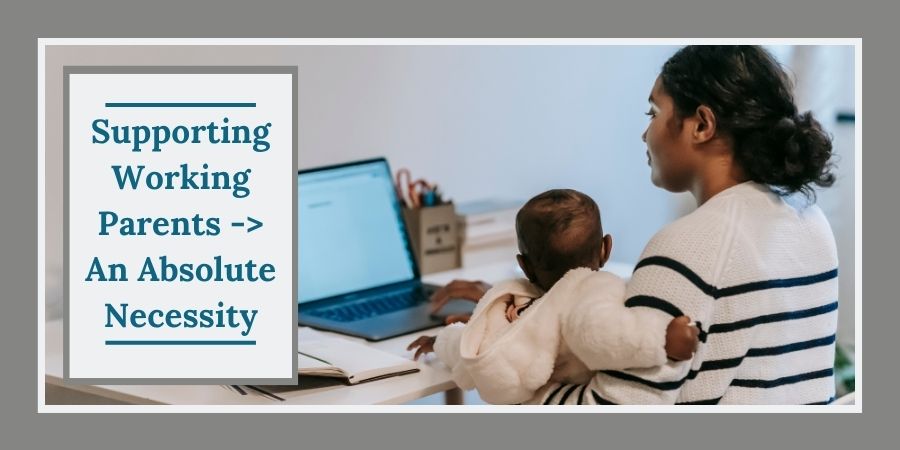
“When we support working parents, we support the entire system.”
Supporting Working Parents –> What Forward-Thinking Companies Are Doing Differently
Working parents are not a “special case”
In many companies, especially in fast-paced sectors like energy, parental leave and family responsibilities are still seen as detours. Something to “manage around.” Something temporary and slightly inconvenient.
But the truth is: working parents are a permanent part of your talent strategy.
They’re not going away, and they’re not a liability.
In fact, when organizations support working parents through transitions like returning from parental leave, adapting to new routines, or balancing dual roles at work and home, they’re investing in long-term engagement, stability, and trust.
The hidden cost of neglecting this group
When support is missing, the signals are subtle, but damaging:
- Promising talents quietly disengage
- Leaders burn out from trying to “fill in”
- Morale erodes as others witness the lack of empathy
- Communication breaks down between teams, roles, and levels
Most of this never shows up in formal reporting. But it accumulates. And it costs.
What forward-thinking companies are doing instead
Some organizations are shifting the narrative. They no longer treat working parents as “exceptions,” but as part of the core employee experience.
What do these companies do differently?
- Normalize flexible reboarding after parental leave or major life events
- Train managers to have open, nonjudgmental conversations about capacity, focus, and stress
- Offer individual coaching—not just for performance, but for transition support
- Recognize the unique strengths parents bring: prioritization, resilience, perspective, and empathy
These practices aren’t only good for families. They’re good for business.
In fact, a 2022 McKinsey study found that employees who felt supported in balancing caregiving and work were significantly more likely to stay with their organization and to report high job satisfaction.
As a coach working with companies in the energy sector, I support organizations that want to move from reactive to intentional when it comes to supporting working parents.
I coach in English, German, and Swedish, and help individuals navigate transitions—and leaders create a culture that makes those transitions successful.
Is your company ready to lead with empathy and strategy?
Let’s talk about how coaching can support your people, and your goals.